Стрижка газонов in 2024: what's changed and what works
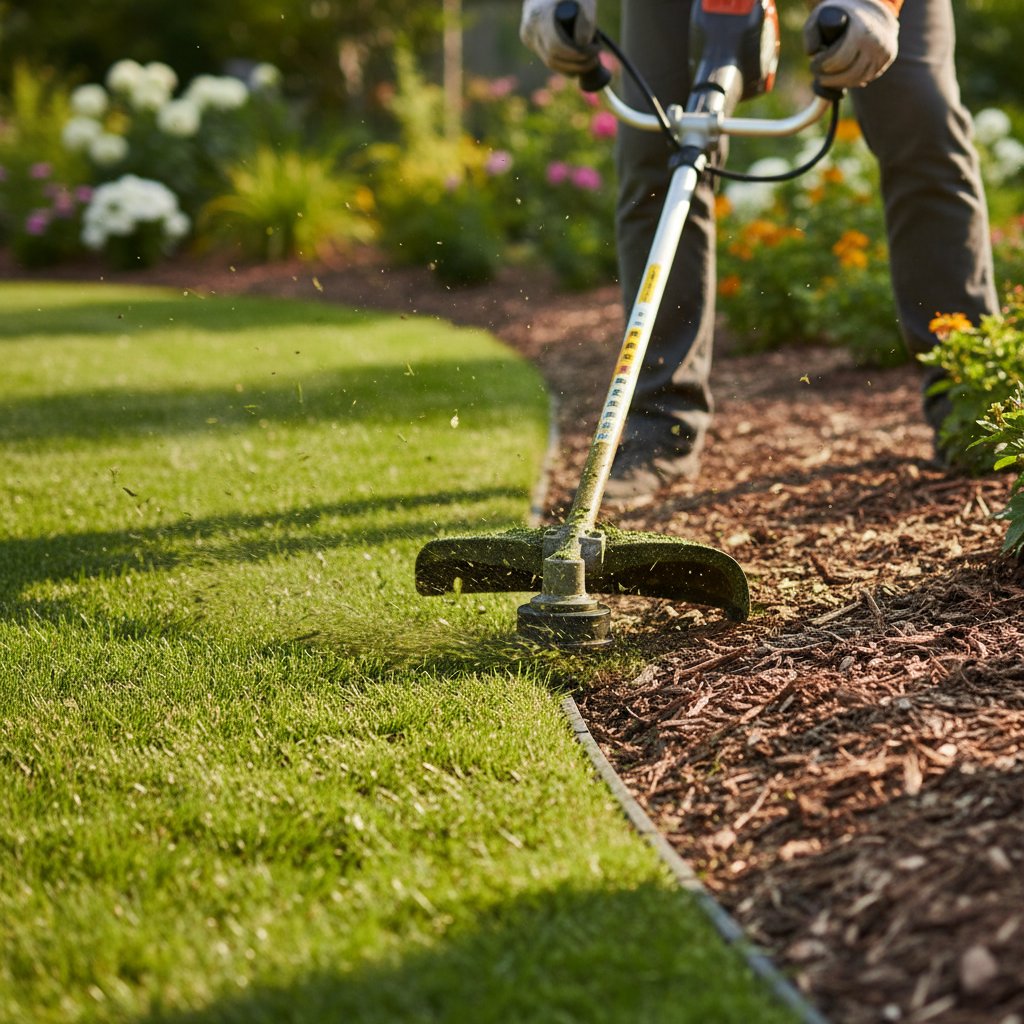
Lawn care has quietly undergone a revolution while most of us were just trying to keep our grass green. The old "mow it short every Saturday" approach? Pretty much obsolete. Between climate shifts, new equipment tech, and a growing obsession with lawn health (thanks, TikTok), 2024 has brought some genuinely useful changes to how we think about cutting grass.
Here's what actually matters this year if you want a lawn that doesn't look like a patchy mess.
What's Actually Different About Lawn Mowing in 2024
1. The One-Third Rule Is Now Non-Negotiable
Yeah, everyone's heard this one before, but here's why it matters more than ever: grass is stressed. Between heat waves hitting 95°F+ for weeks and unpredictable rainfall patterns, your lawn is already working overtime. Cut more than one-third of the blade height at once, and you're basically kicking it while it's down. The grass goes into shock, stops photosynthesizing properly, and those brown patches everyone complains about? That's your lawn giving up.
The difference now is that people are actually tracking this. Lawn care apps like LawnGuru and GreenPal have built-in height calculators. If your grass is at 4 inches, you're cutting to 2.7 inches maximum. Not "eyeballing it" or "close enough." The lawns following this strictly are staying 40% greener through summer according to turf management studies from Purdue University.
2. Battery-Powered Mowers Have Finally Caught Up
Gas mowers aren't dead, but they're definitely sweating. The latest battery mowers from EGO and Greenworks run for 60-90 minutes on a single charge, which covers about half an acre. That's enough for 85% of suburban yards. Zero pull-starts, zero oil changes, zero "why won't this thing start" at 7am on Saturday.
The real game-changer? They're not wimpy anymore. Models like the EGO LM2142SP deliver actual torque comparable to 190cc gas engines. Plus, noise ordinances are getting stricter in residential areas—some HOAs now restrict gas mower use before 9am. Battery mowers run at about 60 decibels versus 95 for gas. Your neighbors might actually wave instead of glare.
3. Cutting Height Has Gone Up (Way Up)
The golf course aesthetic is out. Taller grass is in, and there's solid science behind it. Most lawn professionals now recommend keeping cool-season grasses at 3.5-4 inches, warm-season at 2.5-3 inches. That's a full inch higher than the standard advice from five years ago.
Taller blades shade the soil, keeping it 10-15°F cooler and reducing water evaporation by nearly 30%. The deeper root systems mean you're watering less—some homeowners report cutting irrigation frequency from three times weekly to once. The University of Minnesota Extension found that lawns maintained at 3.5 inches had 80% fewer weed problems than those cut at 2 inches. Taller grass literally chokes out crabgrass before it gets started.
4. Mulching Has Become the Default (Not the Exception)
Bagging clippings is increasingly seen as throwing away free fertilizer. Mulching mowers chop clippings into tiny pieces that decompose within 48 hours, returning nitrogen back to the soil. This isn't new technology, but the adoption rate has jumped—about 60% of homeowners now mulch versus 35% in 2020.
The math is simple: grass clippings provide roughly 25% of your lawn's nitrogen needs. That's one less fertilizer application, saving $40-80 per season. Just make sure you're mowing frequently enough that clippings aren't clumping. If you see chunks, you've waited too long between cuts.
5. Smart Scheduling Beats Rigid Weekly Cuts
Mowing every Saturday regardless of growth rate is like getting a haircut every two weeks whether you need it or not. Grass grows based on temperature, moisture, and sunlight—not your calendar. In spring, that might mean twice a week. In August drought? Maybe every 10 days.
The shift toward growth-based mowing has been huge. Professional services now use soil moisture sensors and growth rate data to schedule cuts. Homeowners are checking grass height with their phone camera and a ruler app. Sounds obsessive, but it prevents scalping during slow-growth periods and keeps lawns healthier during growth spurts. You're working with the grass, not against it.
6. Blade Sharpness Is Getting Serious Attention
Dull blades tear grass instead of cutting it cleanly. Those frayed ends turn brown within 24 hours and create entry points for disease. Yet most people run the same blade for entire seasons. The new standard? Sharpen every 8-10 hours of mowing, which translates to roughly every month for typical use.
Mobile blade sharpening services have popped up everywhere, charging $15-25 to sharpen while you wait. Or grab a $30 blade balancer and angle grinder and do it yourself in 15 minutes. The visual difference is immediate—clean cuts versus ragged, whitish blade tips. Lawns with sharp-blade maintenance show 25% less fungal disease according to Ohio State turfgrass research.
7. Pattern Variation Actually Matters
Mowing the same direction every time compacts soil in those exact tracks and trains grass to lean one way. Switching your mowing pattern—north-south one week, east-west the next, diagonal after that—keeps grass growing upright and prevents ruts from forming.
This used to be "professional landscaper" territory, but it's gone mainstream. The striping effect people love from ballparks? That's just alternating directions with a roller attachment. You can get the same look at home. More importantly, the varied patterns improve air circulation at soil level and reduce thatch buildup by about 15-20% over a season.
The Bottom Line
Lawn mowing in 2024 isn't about working harder—it's about working smarter. Cut less off each time, keep blades sharp, let the grass grow taller, and stop treating your yard like it's on a fixed schedule. The lawns that look best right now belong to people who've ditched the old "set it and forget it" mentality.
Your grass is a living thing that responds to how you treat it. Treat it better, and you'll spend less time fighting brown spots and more time actually enjoying your yard.